Shoulder Line Trap Botox Fees in Korea
Shoulder line (trap) Botox is a popular non-surgical contouring treatment in Korea for people who want softer, more elegant shoulder and neck lines. By relaxing the upper trapezius muscles, Botox can reduce the bulked or squared appearance of the shoulders, improve posture balance, and create a more slender silhouette without surgery.
Below is a clear, copy-paste-ready pricing guide written in the same style as your previous treatment breakdowns.
1. What Is Shoulder Line (Trap) Botox and What It Treats
Trap Botox targets the upper trapezius muscles — the broad muscles that extend from the back of the neck to the shoulders.
Typical effects include:
- Reduced prominence of bulky trap muscles
- Softer, less squared shoulder contour
- Improved balance between neck and shoulders
- May help with tension or tightness in the upper shoulder area
This treatment does not remove fat — it relaxes muscle activity to reshape the shoulder line.
2. Average Trap Botox Cost in Korean Clinics
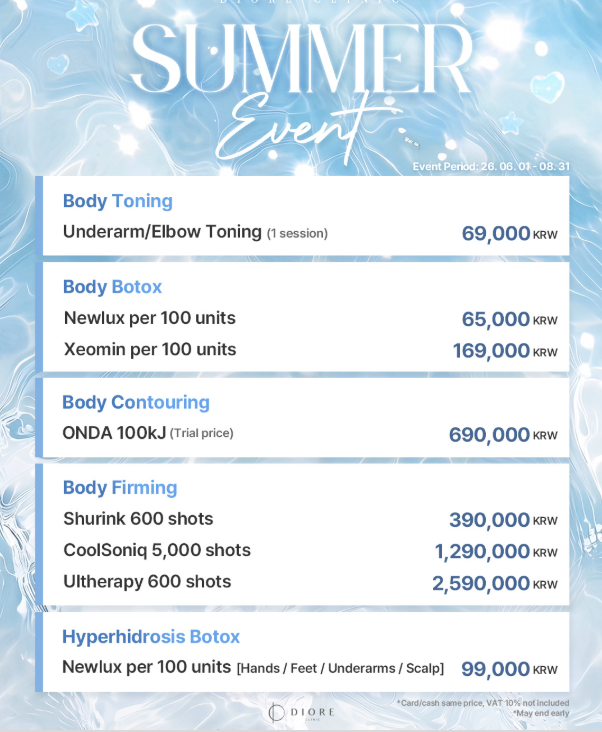
In Korea, shoulder line Botox pricing is generally based on total units used, Botox brand, and injector experience.
Typical price ranges:
- Light contouring dose (30–50 total units): ₩300,000 – ₩600,000
- Standard dose (50–80 total units): ₩600,000 – ₩1,000,000
- Higher dose (80–120+ units): ₩900,000 – ₩1,600,000+
Most clinics price based on total units administered — larger muscles and stronger activity require more units and a higher cost.
3. What Influences Trap Botox Pricing?
Several factors determine how much trap Botox costs in Korea:
- Total units used — more units = higher price
- Botox brand — premium brands cost more than generics
- Injector experience — senior dermatologist or plastic surgeon rates are higher
- Clinic reputation and location — premium districts (e.g., Gangnam) typically cost more
- Muscle bulk and symmetry needs — may require customized dosing
Lower advertised prices often indicate fewer units or treatment by less experienced injectors.
4. Trap Botox vs Other Shoulder/Neck Options (Cost Perspective)
Trap Botox is often compared with:
- Physical therapy/stretching (non-injectable, no downtime)
- Radiofrequency/Ultrasound tightening (firmness and skin texture)
- Surgical contouring or implant reshaping (more dramatic, higher cost)
Compared with more invasive options:
- Botox has lower upfront cost
- Very minimal downtime
- Results are temporary and require maintenance
Device or surgical options cost more but can provide longer-lasting structural change.
5. Is Shoulder Line Botox Worth the Cost?
Trap Botox is considered cost-effective for people who:
- Want softer, narrower shoulder appearance
- Have prominent or bulky trapezius muscles
- Prefer quick, minimal-downtime treatment
- Are okay with repeat sessions for sustained effect
It may be less ideal if:
- You need dramatic structural reshaping
- You want permanent results without maintenance
- You have minimal muscle bulk but want slimming (fat reduction may be needed)
Most patients see visible contour softening within 4–8 weeks after treatment.
6. What Korean Clinics Commonly Recommend
Typical clinical guidance in Korea:
- Mild muscle bulk: Lower total unit dosing
- Moderate to heavy bulk: Standard or higher dosing
- Tension-related tightness: Combine with stretching/therapy for best comfort
- Maintenance: Repeat every 3–5 months for ongoing contour refinement
Experienced injectors tailor dose to muscle size and anatomy to maintain function while reducing bulk.
Final Verdict
Shoulder line (trap) Botox in Korea is a well-liked, non-surgical contouring option for reducing upper shoulder prominence and softening the neck-shoulder silhouette.
- Costs depend mainly on total units and injector expertise
- Results are natural, temporary, and require periodic maintenance
- Best for muscle-based shoulder contour refinement
If your goal is a softer, more elegant shoulder line with minimal downtime, trap Botox offers a highly accessible and effective option in Korean aesthetic clinics.